Familia Torres
Connecting Wine Heritage with Future-Facing Brand Innovation

- Brand: Familia Torres
- Geographical scope: Spain, with international market relevance
- Sector: Wine, beverages, brand innovation and new product development -NPD-

The Challenge
The challenge was to involve people from different areas of the organisation in imagining future products and experiences that could remain coherent with the Torres brand while responding to changing and disruptive markets.
Our Approach
Through eight working sessions and a final integration workshop, mixed teams explored wine-market trends, consumer changes, disruptive opportunities and new product concepts.
The Impact
It helped Torres use its brand not as a fixed reference from the past, but as a platform for exploring new business opportunities with coherence and ambition.
Our Relationship
Our role was to create the conditions, methodology and facilitation process needed for teams to transform market changes into relevant product and brand opportunities.
The Challenges
Company
Familia Torres is one of Spain’s most recognised family wine businesses, with roots in the Penedès and a history that combines tradition, export orientation, innovation and sustainability.
For a company with such a strong legacy, innovation must be handled with care.
The challenge was to help internal teams explore new opportunities without diluting what makes the brand trusted, distinctive and valuable.
The company needed to:
- Involve different teams in future thinking
- Connect heritage with new market realities
- Encourage collaborative innovation
- Use internal knowledge more creatively
- Preserve brand coherence while exploring new ideas
Business
The wine market was facing changing consumer habits, new occasions, greater competition and emerging categories.
Torres needed to explore how future products could respond to these changes while remaining credible within the company’s portfolio and reputation.
The business challenge was to:
- Identify relevant market and consumer shifts
- Generate new product and experience concepts
- Explore opportunities beyond existing assumptions
- Connect innovation with commercial potential
- Encourage teams to think beyond their own functions
- Build criteria for evaluating future opportunities
Brand
The Torres brand had to act as both a source of inspiration and a filter.
New concepts needed to express the brand’s quality, origin, family heritage and innovative spirit without becoming predictable or disconnected from future consumers.
The brand challenge was to balance:
- Tradition and innovation
- Family heritage and new audiences
- Wine expertise and changing occasions
- Brand consistency and creative exploration
- International recognition and local roots
Our Approach
Company and Business
We created a participative process that allowed people from different areas to work together on the future of the brand.
The sessions combined:
- Market and consumer trends
- Emerging wine and beverage behaviours
- Disruptive category changes
- Internal knowledge and experience
- Divergent and convergent thinking
- Concept generation
- Collaborative discussion
- Final synthesis and prioritisation
The process helped move innovation from an isolated task to a shared organisational conversation.
Branding
We used the Torres brand as a strategic platform for the development of new ideas.
This meant treating the brand not simply as an identity or communication asset, but as a set of meanings, promises and expectations that could guide innovation.
The brand helped teams ask:
- Which ideas feel credible for Torres?
- Which opportunities stretch the brand in the right direction?
- Which concepts respond to future consumers?
- Which ideas preserve quality while opening new territory?
- How can innovation develop the brand rather than merely add products?
This helped generate ideas that were both imaginative and strategically grounded.
Support
Using the Brand as an Innovation Platform, our work included:
- Innovation-process design
- Workshop structure and facilitation
- Trend and opportunity framing
- Brand-led ideation methodology
- Divergent and convergent thinking tools
- Cross-functional team dynamics
- Product-concept development
- Preliminary concept visualisation
- Final integration workshop
- Strategic synthesis
- Criteria for brand and business coherence
Innovation Workshops
We designed and facilitated eight co-creation sessions.
The workshops allowed participants to explore changing markets, question assumptions and generate possible product concepts in a structured but open way.
The process encouraged teams to move from observation to opportunity and from opportunity to early concept definition.
Cross-Functional Participation
Participants came from different areas of the business, bringing complementary perspectives.
This helped enrich the quality of ideas and created stronger internal ownership of innovation.
The process showed that brand-led innovation can work as both a creative tool and an organisational learning exercise.
Concept Development
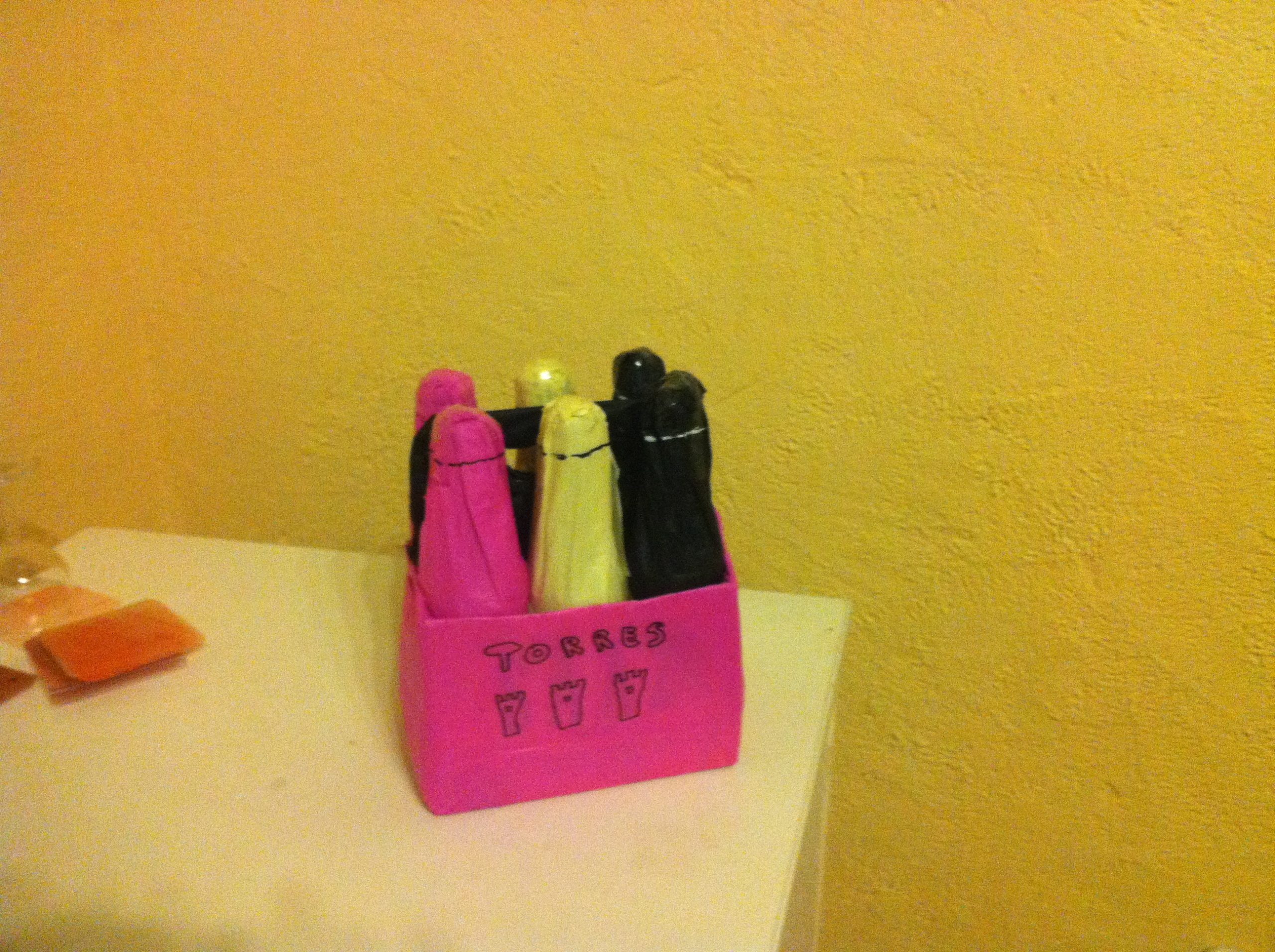
The strongest ideas were developed into preliminary concepts.
Each concept considered:
- Consumer relevance
- Market opportunity
- Brand fit
- Product or experience potential
- Differentiation
- Communication territory
- Possible look and feel
The objective was not to finish product development inside the workshops, but to create promising directions for further evaluation.
Final Integration
A final integration workshop brought together the main outputs.
This helped organise the ideas, identify priorities and connect the concepts with broader business and brand criteria.
The final synthesis gave Torres a clearer view of possible innovation territories and the internal energy behind them.
Transformation and Growth
+
+
.
The company also operates across historic Catalan regions and major Spanish appellations, with international vineyards and wineries in Chile and California.
The Impact
Company
The project helped Torres involve people from different parts of the organisation in strategic innovation.
It contributed to:
- Greater cross-functional collaboration
- Broader participation in future thinking
- Stronger internal engagement with market change
- Shared use of the brand as a strategic reference
- A more participative innovation culture
The process helped teams connect the company’s heritage with the need to keep exploring.
Business
The work generated new product and market opportunities.
It created:
- A structured flow of future-facing concepts
- Clearer links between trends and possible offers
- A stronger basis for evaluating new ideas
- Product territories connected to changing consumers
- Internal momentum around innovation
- Opportunities to explore new occasions and formats
The project helped transform market disruption into concrete business possibilities.
Brand
Torres used its brand as a platform for disciplined creativity.
The project delivered:
- Brand-led innovation criteria
- Concepts aligned with the Torres identity
- Stronger connections between heritage and future relevance
- A way to stretch the brand without weakening it
- Greater coherence between new ideas and brand meaning
The brand became an active tool for exploration, not merely a guardian of consistency.