Montecillo
Osborne Group
Turning Rioja Heritage into a Premium Winery Experience
- Brand: Bodegas Montecillo
- Geographical scope: Spain, with international wine-tourism relevance
- Sector: Wine, hospitality, premium experiences and wine tourism
The Challenge
The challenge was to translate that heritage into a more compelling premium experience capable of increasing the winery’s value, differentiation and relevance for visitors, trade audiences and international wine lovers.
Our Approach
The work connected Montecillo’s history, product quality, visitor journey, physical spaces and content into one coherent experience.
The Impact
The project provided strategic and creative criteria for strengthening the winery as a destination and increasing its competitiveness within international wine-tourism circuits.
Our Relationship
Our role was to turn a valuable winery asset into a more meaningful and commercially useful visitor proposition, linking strategic definition with practical experience-design guidance.
The Challenges
Company
Founded in 1870, Montecillo had more than 150 years of continuous winemaking history and a recognised place within Rioja.
The company needed to protect that legacy while making it more accessible, memorable and relevant to contemporary audiences.
It had to:
- Express its history without becoming static
- Connect tradition with present-day quality
- Make the winery’s assets easier to experience
- Strengthen its role within the Osborne portfolio
- Turn its physical setting into a stronger strategic asset
Business
Wine tourism was becoming increasingly competitive. Visitors were no longer looking only for a tasting or a guided tour, but for experiences with narrative, emotion, learning and distinctiveness.
Montecillo needed to:
- Increase the value of the winery as a destination
- Improve its competitiveness in premium wine tourism
- Attract national and international visitors
- Create stronger reasons to visit, recommend and return
- Connect hospitality, content and commercial opportunity
- Define experience elements that could guide investment
Brand
The brand, and more specifically the winery, needed to link its heritage, its roots in La Rioja, its winemaking tradition and the quality of its products with a more unique visitor experience that met the specific demands of wine tourism.
The experience had to balance:
- Heritage and contemporary relevance
- Sincerity and premium perception
- Wine knowledge and emotional engagement
- Place, product and story-building
- Engage with visitors through a one-of-a-kind experience
- Local character and international appeal
Our Approach
Company and Business
We began by analysing Montecillo as a winery, a destination and a brand.
The work considered:
- International wine-tourism trends
- Visitor expectations
- Competitive winery experiences
- Consumer values and motivations
- Psychographic and affinity-based segmentation
- Osborne Group’s wider brand context
- Montecillo’s heritage and distinctive assets
- The role of the winery within future value creation
This allowed us to define the winery experience not as an isolated hospitality project, but as a business and brand platform.
Branding
We developed a strategic narrative capable of guiding the visitor experience.
The concept of Montecillo, the Explorer Navigator connected the winery’s history, Rioja roots, sense of discovery and ability to guide visitors through wine, time and place.
This narrative helped organise:
- Brand territories
- Experience principles
- Visitor journey
- Content themes
- Storytelling moments
- Audiovisual ideas
- Spatial and emotional rhythm
- Hospitality and tasting cues
The aim was to make Montecillo’s heritage feel alive, not archived.
Support
Allegro 234’s work included:
- Market and demand analysis
- Wine-tourism trend review
- Competitive analysis
- Consumer-values research
- Psychographic segmentation
- Brand-archetype definition
- Brand-territory development
- Winery narrative and storytelling
- Visitor-journey design
- Experience hotspots
- Content and audiovisual concepts
- Script principles
- Deployment considerations
- Investment-priority guidance
Visitor Journey
We mapped the experience from arrival to departure, identifying how each moment could reinforce the same strategic story.
The journey considered:
- First impression and arrival
- Relationship with the landscape
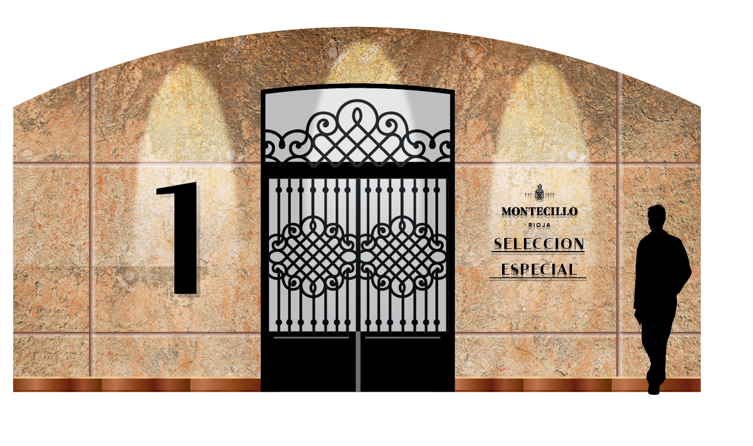
- Entrance into the winery
- Discovery of heritage and craft
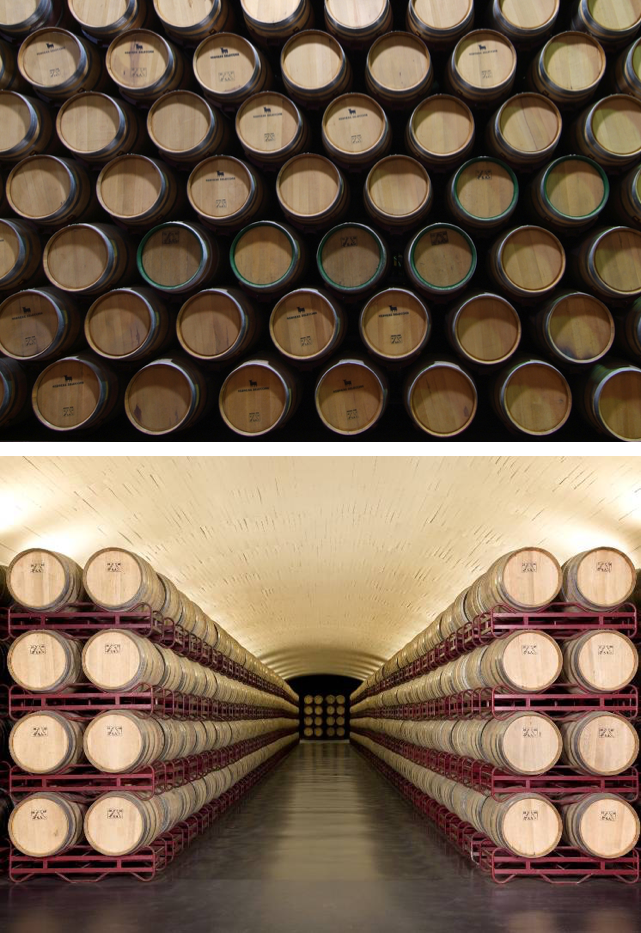
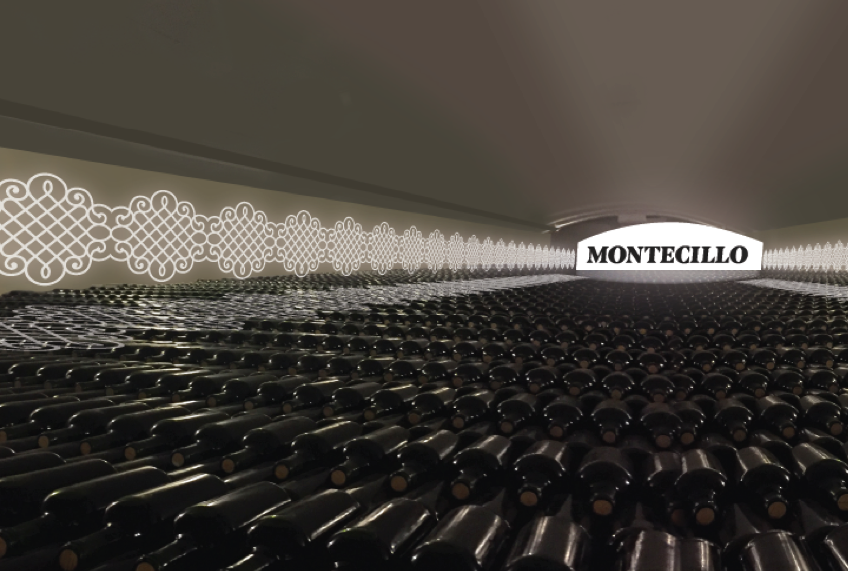
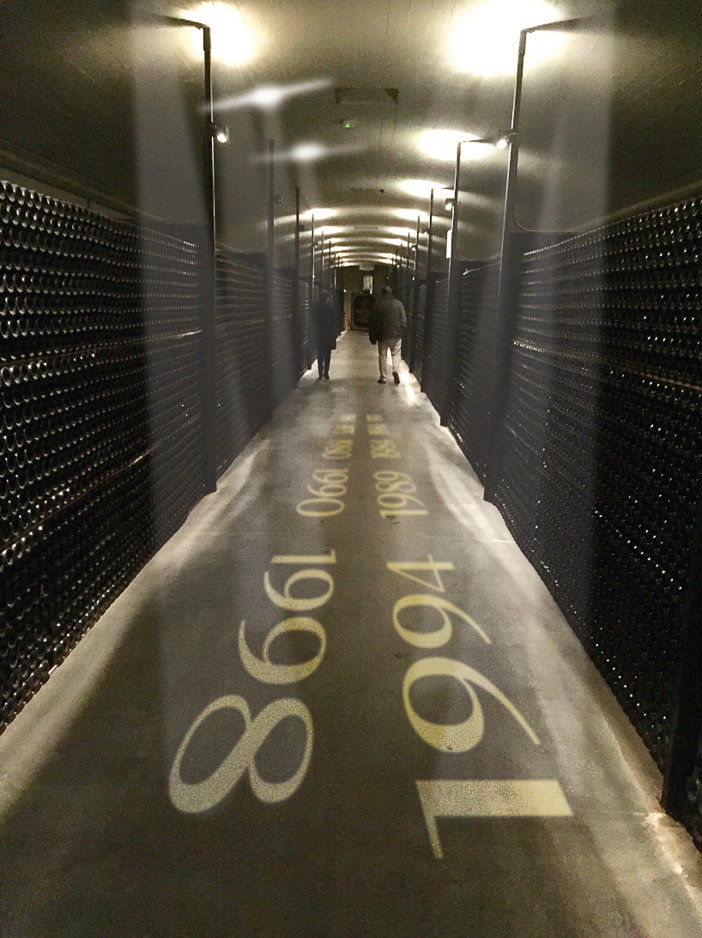
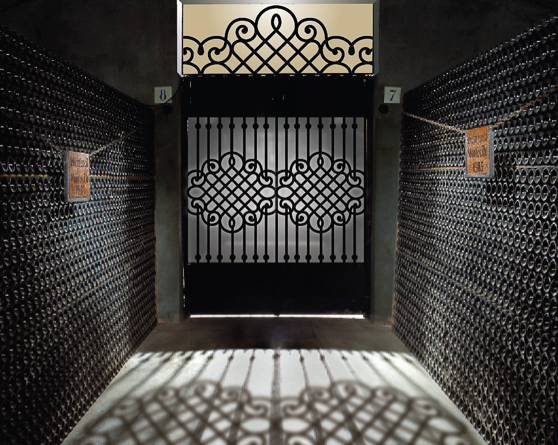
- Barrel and bottle-cellar experience
- Tasting and hospitality
- Emotional high points
- Commercial and retail opportunities
- Final memory and recommendation
Each stage had to contribute to the same brand meaning.
Content and Story-Building
We defined content territories that could help visitors understand Montecillo’s value in a more engaging way.
These included:
- Rioja heritage
- The winery’s foundation and continuity
- The role of time in winemaking
- The relationship with growers and old vines
- Ageing, cellars and barrel work
- The Osborne family’s stewardship
- Montecillo’s classic yet contemporary Rioja character
- The sensory pleasure of tasting and sharing wine
The story was designed to work across guided visits, audiovisual pieces, scripts, signage, presentations and hospitality materials.
Experience Hotspots
We identified the key moments where the winery experience could become more memorable.
These hotspots helped connect:
- Physical space
- Wine knowledge
- Sensory experience
- Emotional engagement
- Brand narrative
- Visitor participation
The objective was not to decorate the visit, but to make each important moment work harder.
Deployment Guidance
The project also provided practical criteria for implementation.
This included guidance on:
- Experience sequence
- Content priorities
- Audiovisual opportunities
- Visitor-flow considerations
- Investment focus
- Commercial touchpoints
- Brand consistency across spaces
- Future development of the winery as a destination
Transformation and Growth
.
+
+
+
The Impact
Company
The project helped Montecillo connect its heritage with a clearer future-facing role.
It provided:
- A stronger interpretation of the winery’s legacy
- A clearer relationship between history, place and ambition
- Strategic criteria for enhancing the estate’s value
- A more distinctive role for Montecillo within premium wine tourism
- A platform for connecting tradition with contemporary audiences
Business
The work strengthened Montecillo’s ability to compete as a wine-tourism destination.
It created:
- A more premium visitor proposition
- Greater clarity around the commercial role of the winery experience
- A stronger basis for attracting national and international visitors
- Experience principles to guide future investment
- A clearer link between hospitality, content, wine sales and brand value
The project helped transform the winery visit into a strategic business opportunity rather than a supporting activity.
Brand
Montecillo gained a more distinctive experience narrative.
This included:
- A clearer premium positioning for the winery experience
- The Explorer Navigator concept
- Stronger links between wine, place and storytelling
- A visitor journey aligned with brand meaning
- Content territories for scripts, audiovisual pieces and communication
- Experience cues capable of making heritage more memorable
The brand could now express not only its age and quality, but the meaning of discovering Rioja through Montecillo.